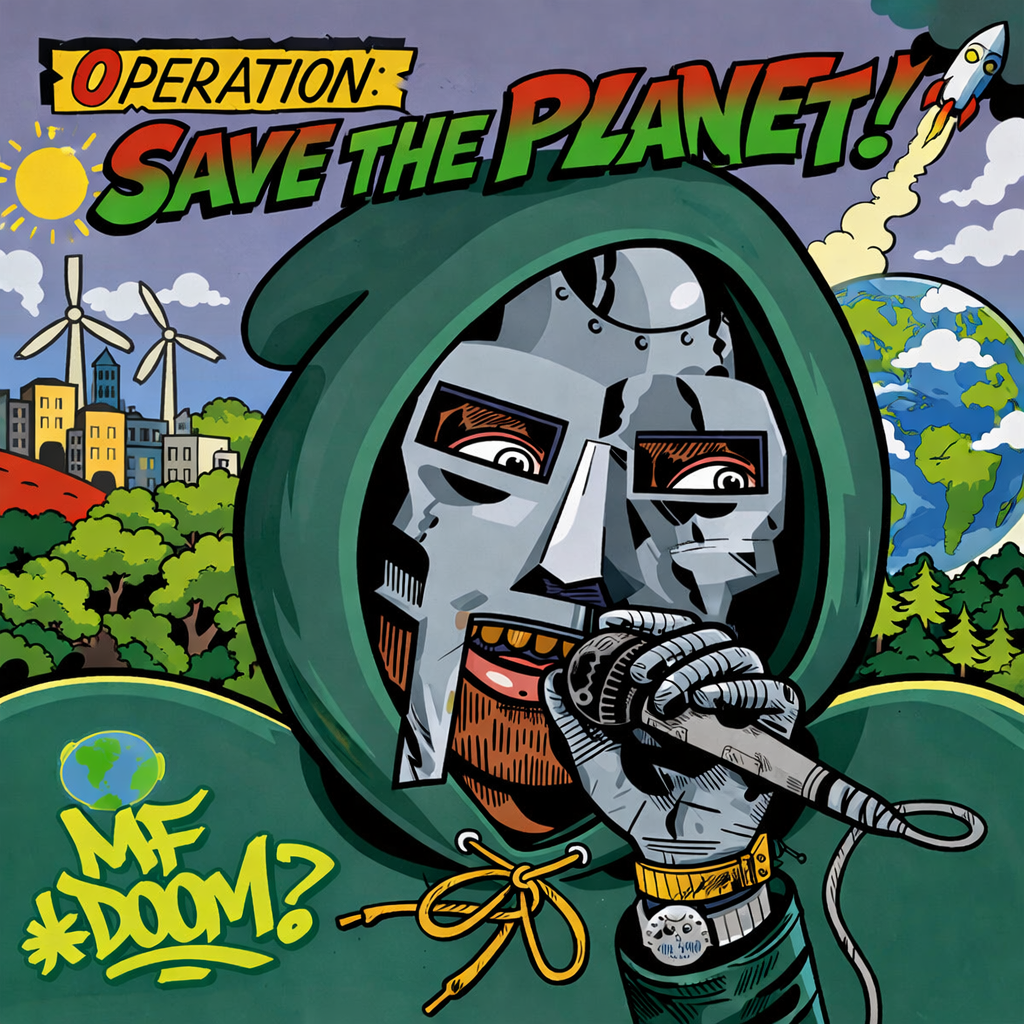
OPERATION: SAVE THE PLANET

An interactive chronicle

Movements That
Shaped America

A visual journey through the struggles, leaders, and turning points that redefined justice, equality, and freedom in the United States.

Scroll to explore
Section 01
01

The War on Drugs

Declared by President Nixon in 1971 and dramatically escalated through the decades, the War on Drugs became one of the most far-reaching and controversial policy campaigns in American history.

$1T+
Federal spending
2.3M
Incarcerated today
Black arrest disparity
45+
States reforming
June 17, 1971
Nixon Declares "War on Drugs"

President Richard Nixon declared drug abuse "public enemy number one," creating the Special Action Office for Drug Abuse Prevention and dramatically expanding federal drug control agencies.

1973
DEA Established

The Drug Enforcement Administration was created through an executive order, consolidating all federal drug enforcement under one agency with vast reach and authority.

1986
Anti-Drug Abuse Act

Congress passed mandatory minimum sentences, including the notorious 100:1 crack-to-powder cocaine disparity. This single law reshaped the American prison system and disproportionately affected Black communities.

1994
Three Strikes Laws

The Violent Crime Control Act introduced "three strikes" provisions mandating life sentences for repeat offenders. Federal and state prison populations surged to unprecedented levels.

2010 – Present
Reform & Reckoning

The Fair Sentencing Act reduced the crack-powder disparity to 18:1. States began legalizing cannabis. A growing bipartisan consensus acknowledged the policy's disproportionate impact on communities of color.

"

You want to know what this was really all about? The Nixon campaign had two enemies: the antiwar left and Black people.

John Ehrlichman, Nixon Advisor
Continue to Civil Rights
Section 02
02

The Civil Rights Movement

Two towering visions of liberation—one rooted in nonviolent resistance, the other in self-determination—forever transformed the fight for racial equality in America.

Martin Luther King Jr.
Nonviolent Resistance

A Baptist minister and architect of nonviolent protest, King led the Montgomery Bus Boycott, the March on Washington, and the Selma campaigns. His philosophy drew from Gandhi's methods and Christian theology to forge a movement of moral clarity.

🔥
Malcolm X
Self-Determination

A fiery orator and former Nation of Islam leader, Malcolm X advocated for Black self-defense, economic independence, and Pan-African solidarity. His pilgrimage to Mecca broadened his vision toward universal human rights before his assassination in 1965.

250K
March on Washington
1964
Civil Rights Act
1965
Voting Rights Act
December 1955
Montgomery Bus Boycott

After Rosa Parks refused to give up her seat, King led a 381-day boycott of the Montgomery bus system. The Supreme Court ultimately ruled bus segregation unconstitutional, launching the modern civil rights movement.

1960
Sit-Ins & Freedom Rides

Four Black college students sat at a whites-only lunch counter in Greensboro, North Carolina, sparking a wave of sit-ins across the South. Freedom Riders challenged segregated interstate transit, facing violent mobs.

August 28, 1963
March on Washington

Over 250,000 people gathered at the Lincoln Memorial for the largest demonstration in the capital's history. King delivered his iconic "I Have a Dream" address, galvanizing the nation and pressuring Congress toward legislation.

1964 – 1965
Landmark Legislation

The Civil Rights Act of 1964 outlawed discrimination based on race, color, religion, sex, or national origin. The Voting Rights Act of 1965 struck down barriers to Black suffrage, transforming American democracy.

1966 – 1970s
Black Power & Beyond

The Black Panther Party, SNCC, and other groups expanded the movement's scope to address economic justice, policing, and community self-governance. Malcolm X's legacy fueled a new generation of organizing around self-determination.

"

Injustice anywhere is a threat to justice everywhere. We are caught in an inescapable network of mutuality.

Martin Luther King Jr.
Continue to Feminism
Section 03
03

The Feminist Movements

From suffrage to intersectionality, women's movements have redefined political participation, economic rights, bodily autonomy, and the very meaning of equality across four distinct waves.

⚖️
First Wave
1848 – 1920 · Suffrage

Centered on women's legal rights, property ownership, and the right to vote. Led by figures like Susan B. Anthony and Elizabeth Cady Stanton, culminating in the 19th Amendment.

🌊
Second Wave
1960s – 1980s · Liberation

Expanded the fight to workplace equality, reproductive rights, sexuality, and domestic violence. Betty Friedan's "The Feminine Mystique" and the founding of NOW catalyzed a generation.

🔮
Third & Fourth Waves
1990s – Present · Intersectionality

Embraced diversity of identity, challenged gender binaries, and leveraged digital activism. The #MeToo movement exposed systemic sexual harassment across institutions worldwide.

1920
19th Amendment
1973
Roe v. Wade
5M+
2017 Women's March
83¢
Gender pay gap
1848
Seneca Falls Convention

The first women's rights convention in the United States, held in Seneca Falls, New York. The Declaration of Sentiments asserted that "all men and women are created equal," launching the organized suffrage movement.

August 18, 1920
19th Amendment Ratified

After 72 years of activism, protests, hunger strikes, and imprisonment, women won the constitutional right to vote. The amendment passed by a single vote in Tennessee's legislature.

1963 – 1972
Second Wave Legislation

The Equal Pay Act (1963), Title VII of the Civil Rights Act (1964), and Title IX (1972) established legal frameworks against sex-based discrimination in pay, employment, and education.

1973
Roe v. Wade

The Supreme Court ruled that the Constitution protected a woman's right to abortion, establishing a landmark precedent on reproductive autonomy that would shape political discourse for half a century.

2017 – Present
#MeToo & The Fourth Wave

The #MeToo movement, catalyzed by revelations about Harvey Weinstein, triggered a global reckoning on sexual harassment. The Women's March became the largest single-day protest in U.S. history, and ongoing fights for pay equity and reproductive rights continue.

"

I am no longer accepting the things I cannot change. I am changing the things I cannot accept.

Angela Davis
Back to Top Share This Timeline